
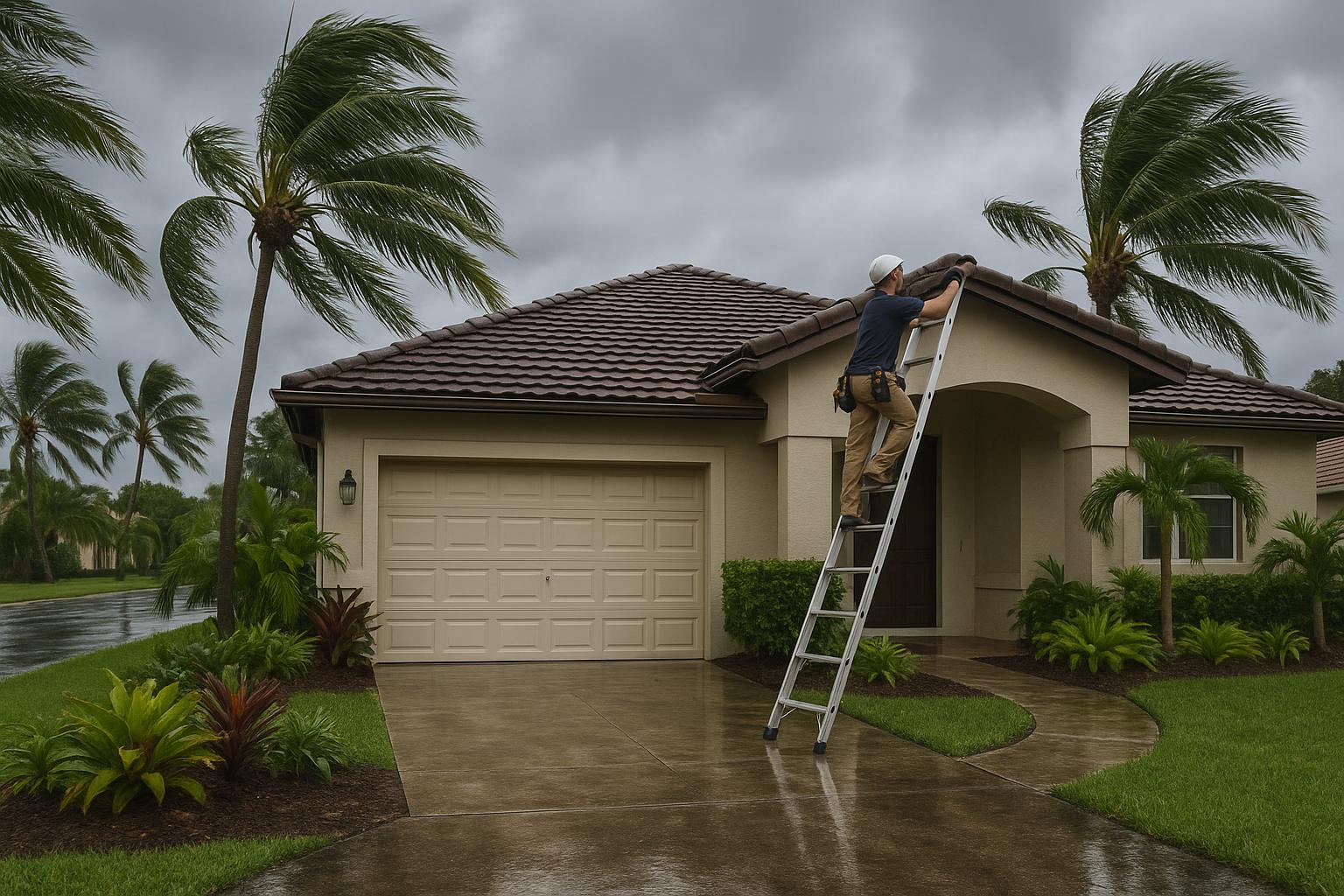
Living in Sunrise Means Living With Storms
If you've lived in Sunrise, FL for even a single hurricane season, you already know the drill: heavy rain, high winds, flying debris, and the anxious wait to see how your home held up. South Florida's subtropical climate brings incredible weather most of the year, but it also delivers some of the most powerful storms in the country.
What many homeowners don't realize is that storm damage isn't always dramatic. You might not see a tree through your roof or a shattered window. Instead, the damage often hides in plain sight — a few missing shingles, hairline cracks in your siding, or a slow leak around a window frame that won't show up for months. Left unaddressed, these small problems become expensive emergencies.
At Sunrise Exterior Remodeling, we help homeowners across Sunrise, Plantation, Fort Lauderdale, and surrounding communities identify and repair storm damage before it spirals out of control. Here's what you need to know to protect your biggest investment.
The Most Common Types of Storm Damage to Your Exterior
1. Roof Damage
Your roof is your home's first line of defense, and it takes the hardest hit during every storm. High winds can lift, crack, or completely tear off shingles and tiles. Even if your roof looks intact from the ground, granule loss on asphalt shingles or micro-fractures in tile can compromise its waterproofing ability.
Common signs of roof storm damage include:
- Missing, curled, or cracked shingles or tiles
- Granules collecting in gutters or downspouts
- Dents or punctures from hail or flying debris
- Water stains on your ceiling or attic walls
- Flashing that has pulled away from vents, chimneys, or skylights
After a major storm, it's wise to schedule a professional roof inspection. Many issues are invisible from the ground and require a trained eye to detect.
2. Siding Damage
Whether your home has vinyl, aluminum, or fiber cement siding, storm-force winds and airborne debris can cause serious harm. Cracks, dents, warping, and loose panels are all common after severe weather events. Even small breaches in your siding allow moisture to penetrate the wall cavity behind it, leading to mold growth, wood rot, and structural deterioration over time.
In Sunrise's humid climate, moisture intrusion behind damaged siding can accelerate these problems much faster than in drier regions. If you notice any panels that look out of place, buckled, or cracked after a storm, don't wait to have them assessed.
3. Window and Door Frame Damage
Windows are particularly vulnerable during storms. Even impact-rated windows can suffer seal failures, frame warping, or cracks around the caulking. Non-impact windows may shatter entirely from wind pressure or debris strikes. Damaged window seals lead to air leaks, higher energy bills, and water infiltration that can damage interior walls and flooring.
Check your windows and door frames after every significant storm for:
- Visible cracks in the glass or frame
- Foggy or cloudy glass indicating a broken seal
- Gaps between the frame and the wall
- Difficulty opening or closing, which may indicate frame warping
- Water pooling on the sill or along the base of the frame
4. Fence and Outdoor Living Area Damage
Fences, patios, pergolas, and screen enclosures are often the first casualties of a storm. High winds can topple fence sections, tear screens, and damage patio covers. While these may seem like cosmetic issues, a compromised fence affects your home's security and property value, and a damaged patio structure can become a hazard in the next storm if not properly repaired.
What to Do After a Storm Hits Your Sunrise Home
Taking the right steps immediately after a storm can save you thousands of dollars and prevent long-term damage. Here's a practical checklist:
- Stay safe first. Don't climb on your roof or handle downed power lines. Wait until conditions are safe before inspecting your property.
- Document everything. Walk the perimeter of your home and photograph any visible damage from the ground. Take wide shots and close-ups. This documentation is critical for insurance claims.
- Cover exposed areas temporarily. If you can safely do so, use tarps to cover roof breaches or board up broken windows to prevent further water intrusion.
- Contact your insurance company. Report the damage promptly. Most Florida homeowner policies have specific timelines for filing storm damage claims.
- Schedule a professional inspection. A qualified exterior remodeling contractor can identify damage you might miss and provide a detailed assessment that supports your insurance claim.
Why Proactive Exterior Maintenance Matters in South Florida
The best time to prepare for storm damage is before the storm arrives. Homeowners in Sunrise and neighboring communities like Davie, Tamarac, and Lauderhill can take several proactive steps to minimize risk:
- Upgrade to impact-resistant windows that meet Florida's strict building codes and can withstand wind-borne debris.
- Replace aging roofing materials with modern options rated for high-wind performance. A roof that's past its expected lifespan is far more likely to fail during a storm.
- Install durable siding such as fiber cement, which resists impact, moisture, and warping better than older vinyl or aluminum options.
- Maintain your exterior paint. A quality exterior paint job does more than look good — it provides a protective barrier against moisture penetration and UV damage.
- Reinforce fences and outdoor structures with proper footings and hardware designed for Florida's wind loads.
These upgrades aren't just about storm protection. They also increase your home's resale value, improve energy efficiency, and enhance curb appeal — benefits you enjoy every single day, not just during hurricane season.
Choosing the Right Contractor for Storm Damage Repairs
After a major storm, Sunrise neighborhoods are often flooded with out-of-state contractors going door to door offering quick fixes. While some may be legitimate, many are not licensed in Florida, carry inadequate insurance, or perform substandard work that won't hold up in the next storm.
When choosing a contractor for exterior repairs or upgrades, look for:
- A valid Florida contractor's license
- Proof of liability insurance and workers' compensation coverage
- Established local presence and verifiable references
- Experience with Florida building codes and hurricane-rated installations
- Willingness to work directly with your insurance company
At Sunrise Exterior Remodeling, we're proud to be a trusted local company serving homeowners right here in our community. We understand the unique challenges that South Florida weather presents, and we build every project to withstand them.
Don't Wait for the Next Storm
Whether you're dealing with damage from a recent storm or you want to fortify your home before the next hurricane season, taking action now is always the smartest move. Small repairs today prevent major expenses tomorrow, and strategic upgrades can protect your home for decades to come.
If you're a homeowner in Sunrise or the surrounding areas and you're concerned about your home's exterior condition, reach out to Sunrise Exterior Remodeling for a thorough inspection and honest assessment. We'll help you understand your options, navigate the insurance process if needed, and deliver results that give you lasting peace of mind.